

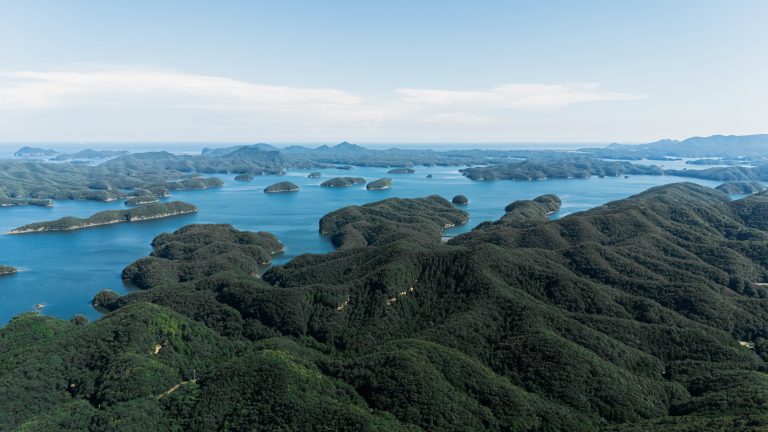
Tsushima island remains real, raw, and deeply rooted in history and nature.
Unlike famous cities in Japan, Tsushima remains largely untouched by mass tourism. Its landscapes and traditions have evolved in relative isolation, preserving a sense of authenticity that has disappeared elsewhere.
This unique position has also shaped Tsushima’s natural world. Situated between the continent and the Japanese mainland, the island is home to rare and endemic plants and animals found nowhere else in Japan.
About Tsushima
Discover Your Perfect Island Adventure
For History Buffs
VIEW DETAILSFor Nature Lovers
VIEW DETAILSFor Wildlife Enthusiasts
VIEW DETAILSFor History Buffs
Kaneda Fortress
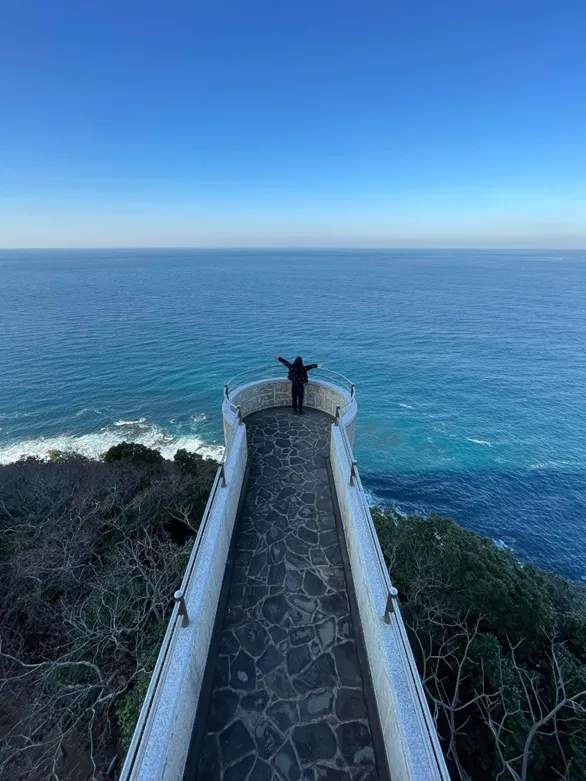
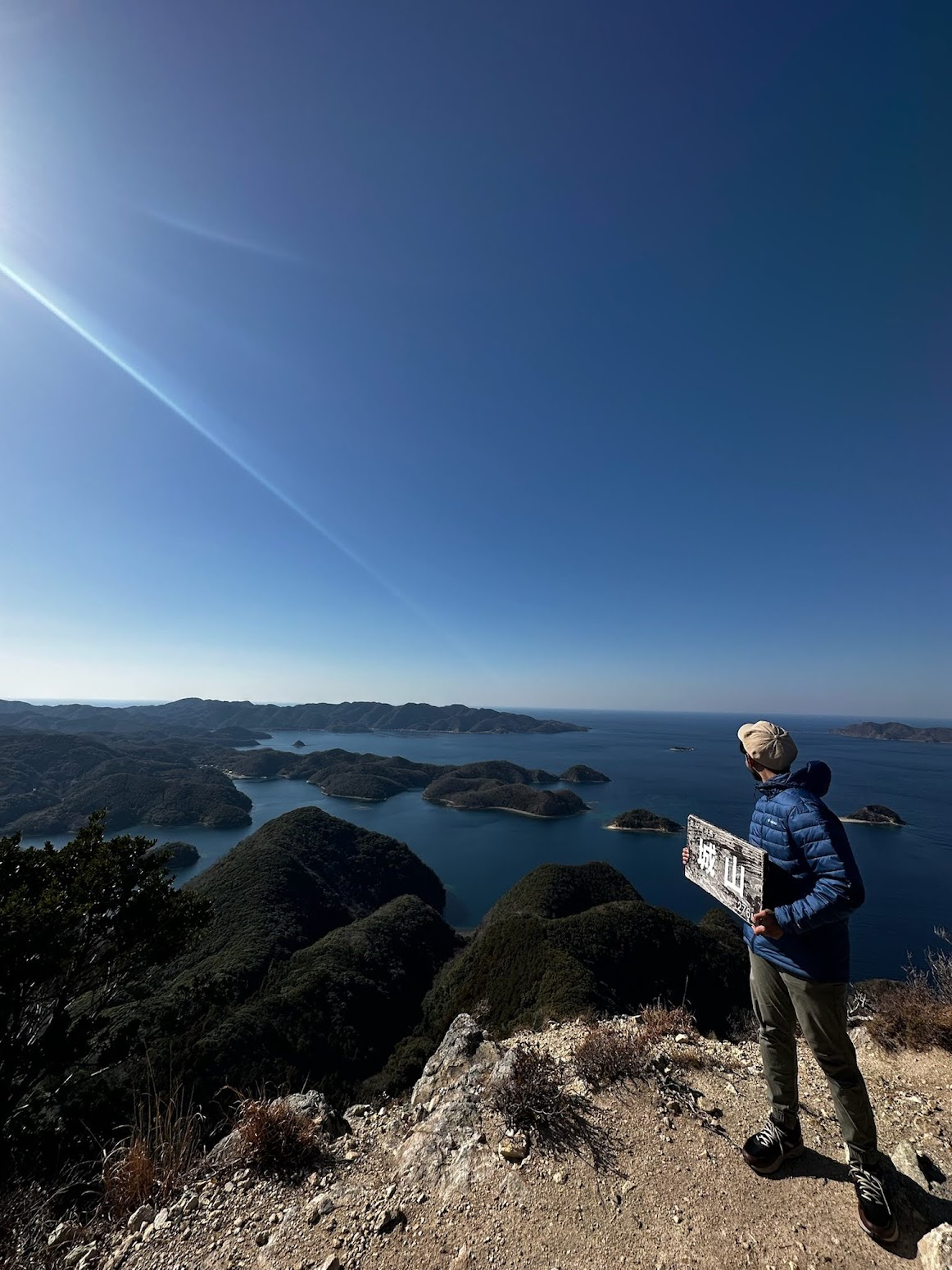
Built in the 7th century, Kaneda Castle is one of Japan’s oldest mountain fortresses, strategically designed to defend the nation’s frontier. Walking these trails is a journey through two distinct layers of military history: the ancient stone ramparts of the 600s and the modern artillery batteries installed centuries later. As a “natural fortress,” the site cleverly utilizes the island’s steep ridges to create a commanding defensive position overlooking the sea. For those who have explored Tsushima’s rugged beauty in virtual worlds, standing atop these ancient stone walls brings the legendary atmosphere of the island to life. The hike to the summit is accessible for most, and while the final climb is a bit steep, the panoramic views are spectacular—a breathtaking vista that reveals exactly why this site has guarded Japan for over a millennium.
Banshou-in Temple
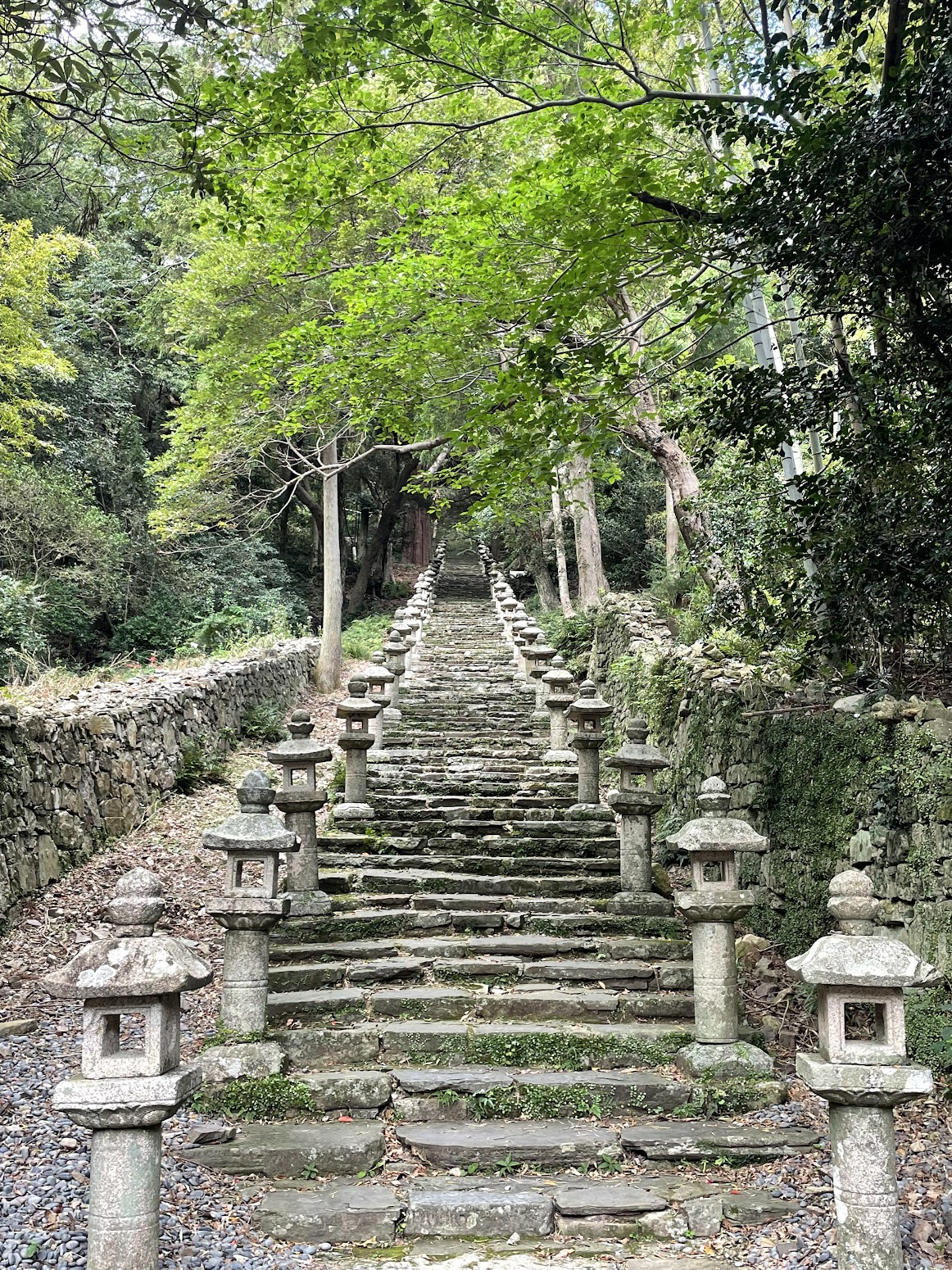
Banshoin is the family temple of the Sō clan, who ruled Tsushima for nearly 700 years. Surrounded by towering cedar trees, stone lanterns and quiet graves tell the story of rulers who stood between Japan and Korea, and between diplomacy and war. An admission fee is paid at the entrance, and a small souvenir shop is also available on the grounds. The Sō clan were deeply affected by changes in leadership in Japan — from the Toyotomi to the Tokugawa shogunate — while continuing to manage relations with Korea. Banshoin is regarded as one of Japan’s Three Great Burial Grounds and is considered a powerful spiritual site. One of the most atmospheric features of the temple is the Hyakugan-gi stone staircase, whose long steps create a striking and memorable approach.
For Nature Lovers
Mt. Shiratake
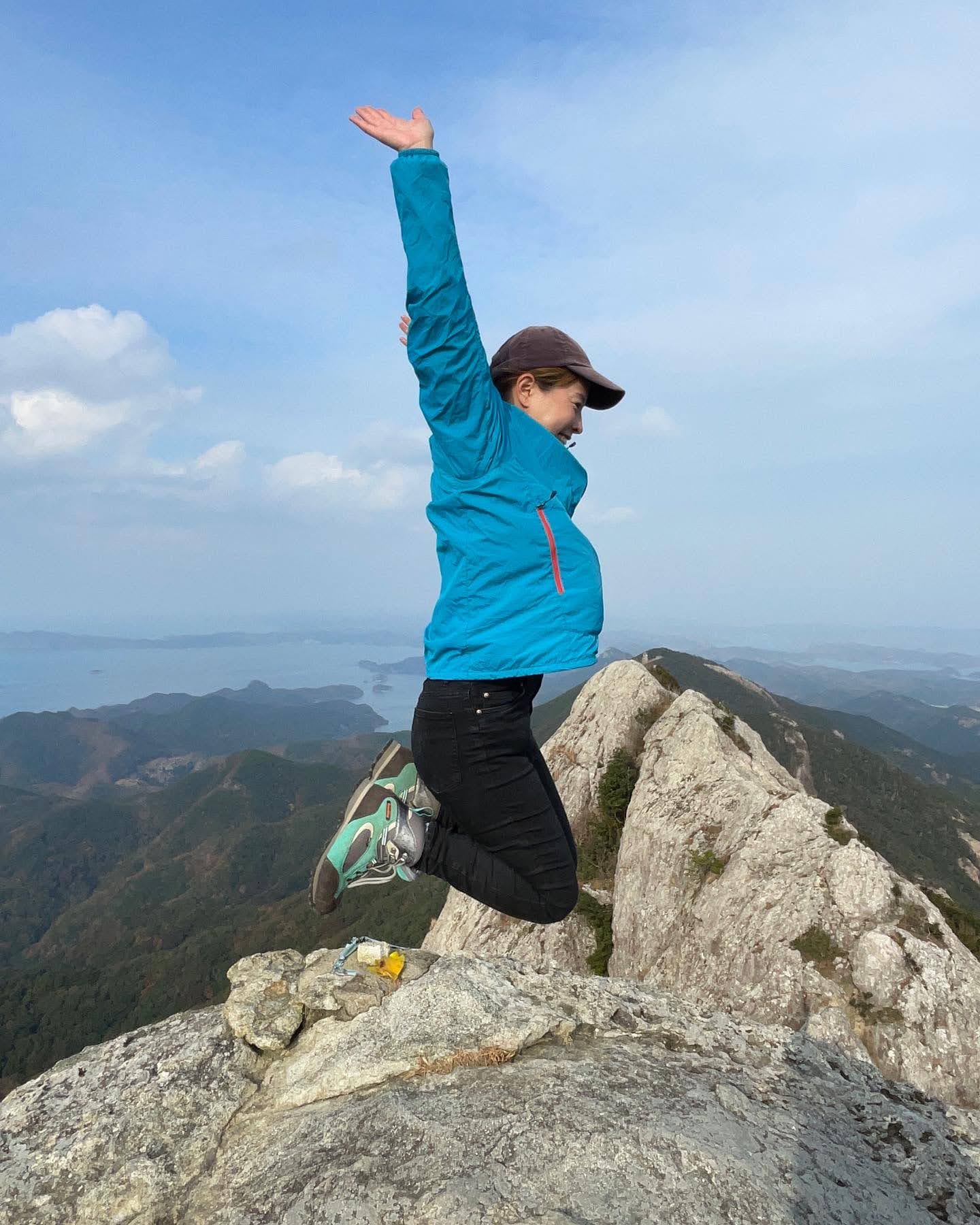
For those seeking a more spirited challenge, Mt. Shiratake offers a premier trekking experience that goes beyond the standard trail. As a sacred mountain revered since ancient times, its dual peaks of white quartz stand as a mystical landmark of Tsushima. The hike is more demanding than Kaneda Castle, featuring steeper terrain and rewarding those who reach the summit with a breathtaking 360-degree view. Beyond Shiratake, I offer guided treks to various other peaks across the island, each with its own story and level of difficulty. Whether you are looking for a spiritual pilgrimage or a rugged outdoor adventure, I can customize a trekking route that matches your pace and curiosity. Let’s explore the wild, high ridges of Tsushima together.

Miuda Beach
It is known for its white sand and clear emerald water. Despite its beauty, it remains quiet compared to mainland beaches, offering a calm and relaxed atmosphere. It is an ideal place to pause, breathe, and absorb the island’s natural rhythm. The surrounding area includes a campground and a hot spring facility, making it suitable for both day trips and longer stays. Food trucks are available, adding a casual and local touch to the beach experience. Nearby, visitors can also see Tsushima horses (Taishū-ba), one of Japan’s native horse breeds unique to the island. With a bit of luck, sea turtles or dolphins may be spotted offshore, reminding visitors that this is still a living, wild sea.
For Wildlife Enthusiasts
Tsushima Wildlife Conservation Center
A critically endangered wild cat found only on Tsushima — elusive, symbolic, and fiercely protected. At the Tsushima Wildlife Conservation Center (Tsushima Yamaneko Center), visitors can learn about conservation efforts and see a rescued individual. *Please note: the center is closed on Mondays and Tuesdays.

Seasonal Highlights
Spring
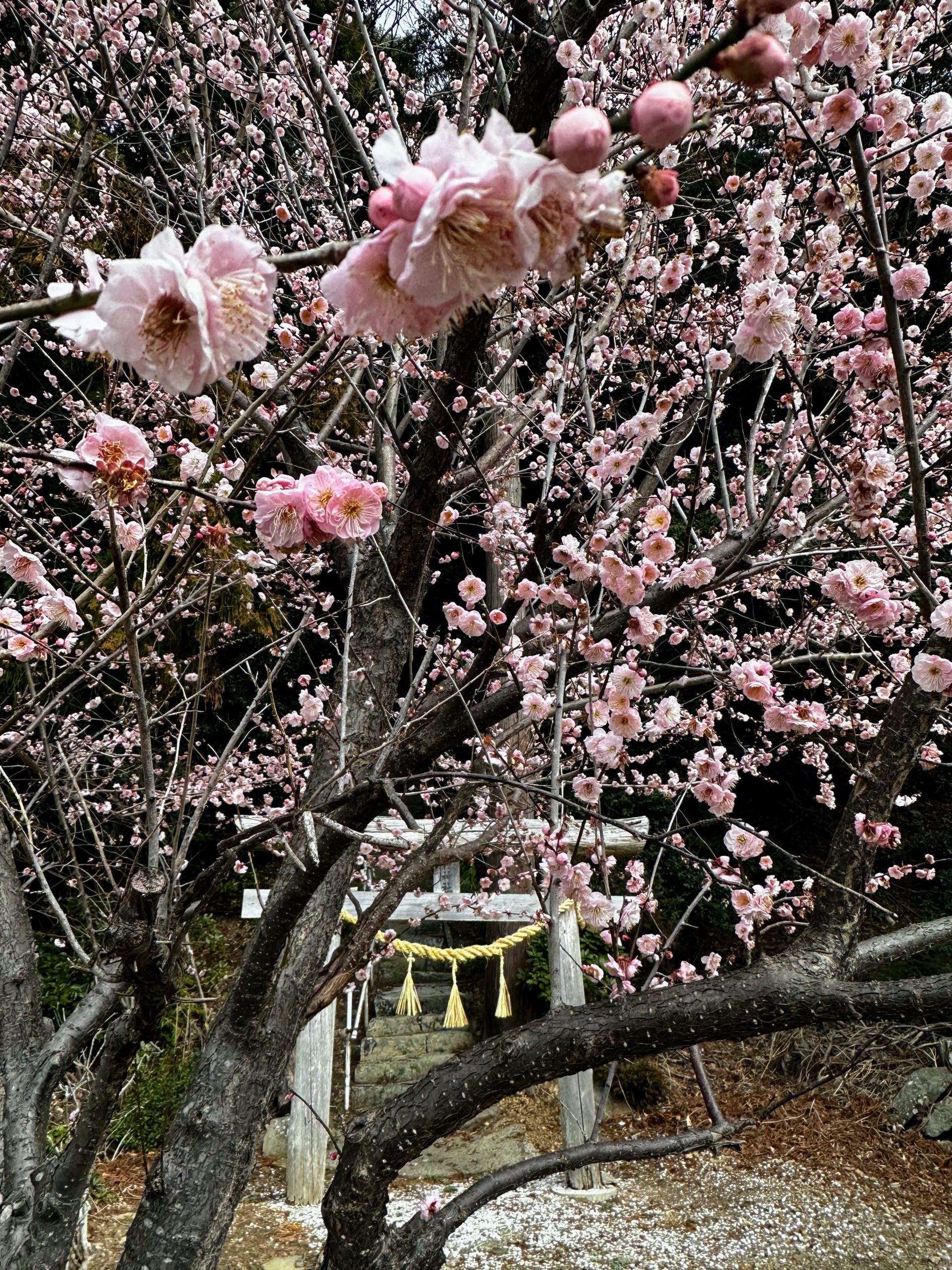
Tsushima offers a tranquil cherry blossom experience away from the crowds. As the weather warms up, it marks the beautiful beginning of our peak travel season. Don’t miss the stunning harmony of delicate pink petals set against the backdrop of our historic shrines.
Autumn
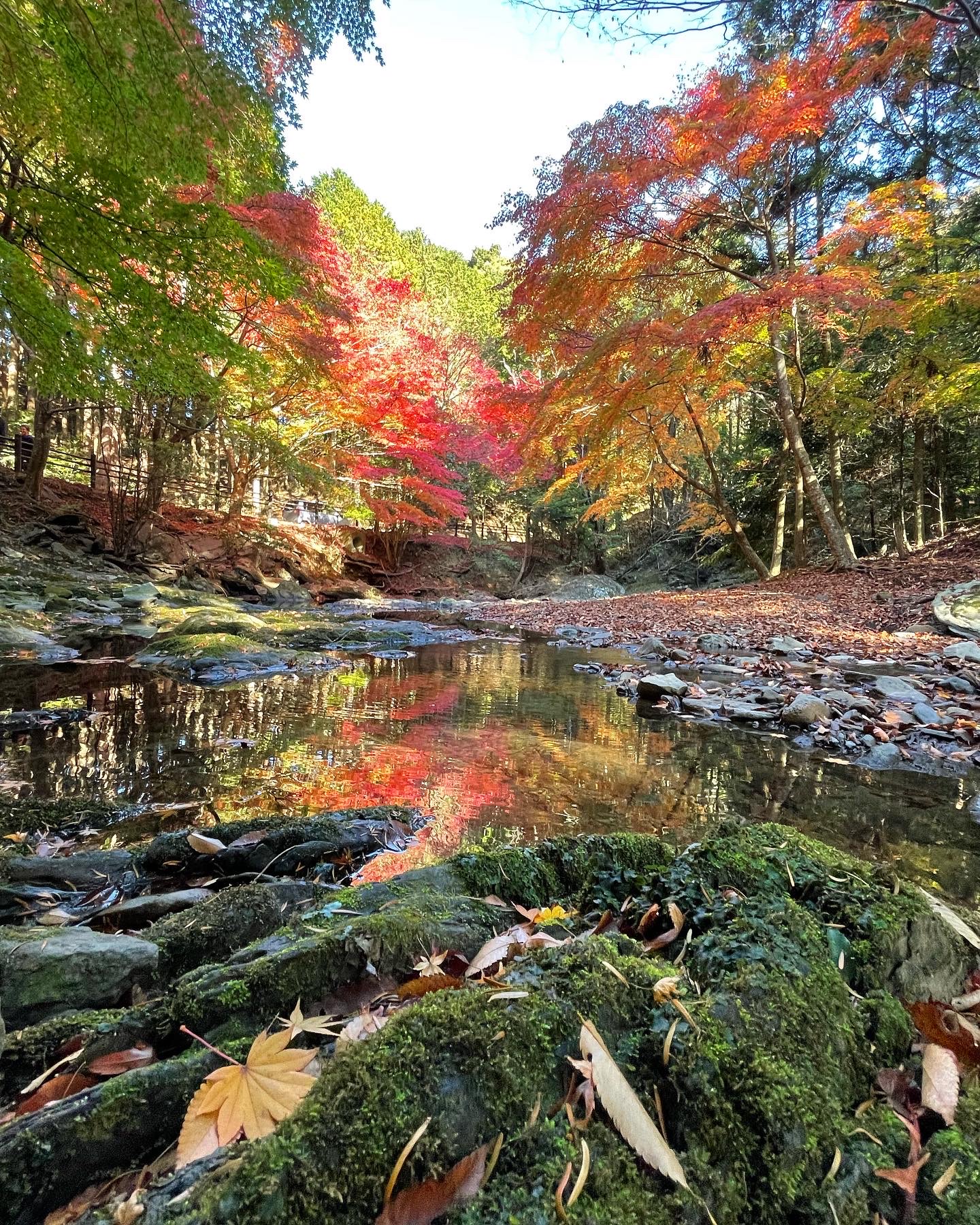
Vibrant autumn colors can be seen all across the island, but the Shushi Maple Road is especially famous for its stunning scenery. Tsushima is also home to Japan’s oldest Ginkgo tree, a majestic natural monument with over a thousand years of history.
Getting Here & Around
🚢 Transportation
- ✈️ Flight: Fukuoka/Nagasaki ↔ Tsushima (30 min)
- 🛥️ Jetfoil: Fukuoka ↔ Izuhara (approx. 2 hrs)
- 🛥️ Jetfoil: Busan ↔ Hitakatsu/Izuhara (approx. 1 hr)
- 🚢 Ferry: Fukuoka ↔ Hitakatsu/Izuhara (approx. 5 hrs)
🚗 Guide’s Advice
Tsushima is much bigger than expected! It actually is a 3rd largest island in Japan. Renting a car or booking a tour is essential.